Zamax

Free home improvement guides

Make Better Decisions About Your Home Before Work Begins.

Practical guidance for roofing, electrical work, home energy and transformations. Choose a topic, prepare better questions and find the right next step for your home.

Get My Free Checklist
Plain-English guidanceFour useful topic groupsWritten around real UK homes

Free roof & gutter checklist

Start With a Safer First Look.

Use the checklist to record visible concerns, then explore the topic guides below for your next decision.

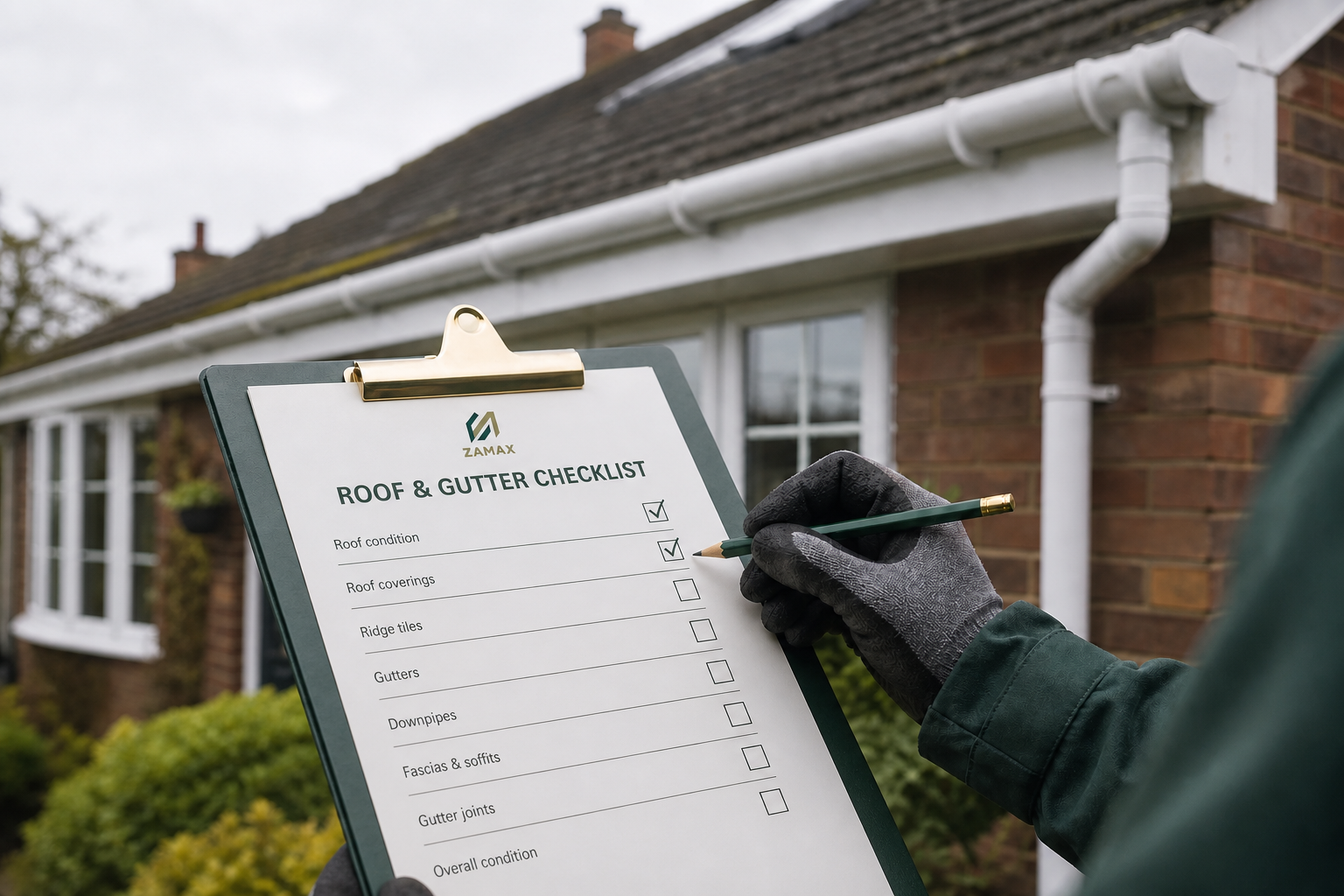
Illustrative Zamax 18-Point Roof and Gutter Warning-Signs Checklist being completed at a British home; not a completed Zamax project

FREE ROOF & GUTTER CHECKLIST

18 Warning Signs Worth Checking Early.

A practical safety-first guide to visible roof and gutter warning signs you can check from ground level and safely accessible indoor areas.

  • Spot visible warning signs before they become larger problems.
  • Check roof edges, gutters, flashings, chimneys and internal clues safely.
  • Know what to photograph and when professional help is sensible.

Free checklist after your request. No payment or file upload required.

Do not climb onto roofs or access unsafe areas.

Practical planning guides

Good Questions. Clearer Decisions.

Choose a topic and read the useful planning notes here. For a downloadable walk-round checklist, use the free checklist above.

12 practical guides to explore

Illustration of a person holding a tablet on scaffolding beside tiled eaves.01

Roofing Read online

Roof Leak Evidence Checklist

Help a roofer understand where water appears, when it happens and what has changed.

View guide overview
  1. Record the room, location and time of each leak. Note whether it follows wind-driven rain, prolonged rain or every shower.
  2. Photograph the whole roof elevation from ground level. Separately photograph any interior staining, and keep the dates and previous repair records together.
  3. A stain does not reliably identify the roof defect: water can travel before it becomes visible. Ask what inspection or access is needed before agreeing a repair.
  4. Do not climb onto the roof. Keep clear of wet electrical fittings and seek appropriate urgent help if water is entering electrical equipment.

Planning information, not a diagnosis or instruction to carry out specialist work.

Discuss a roof issue
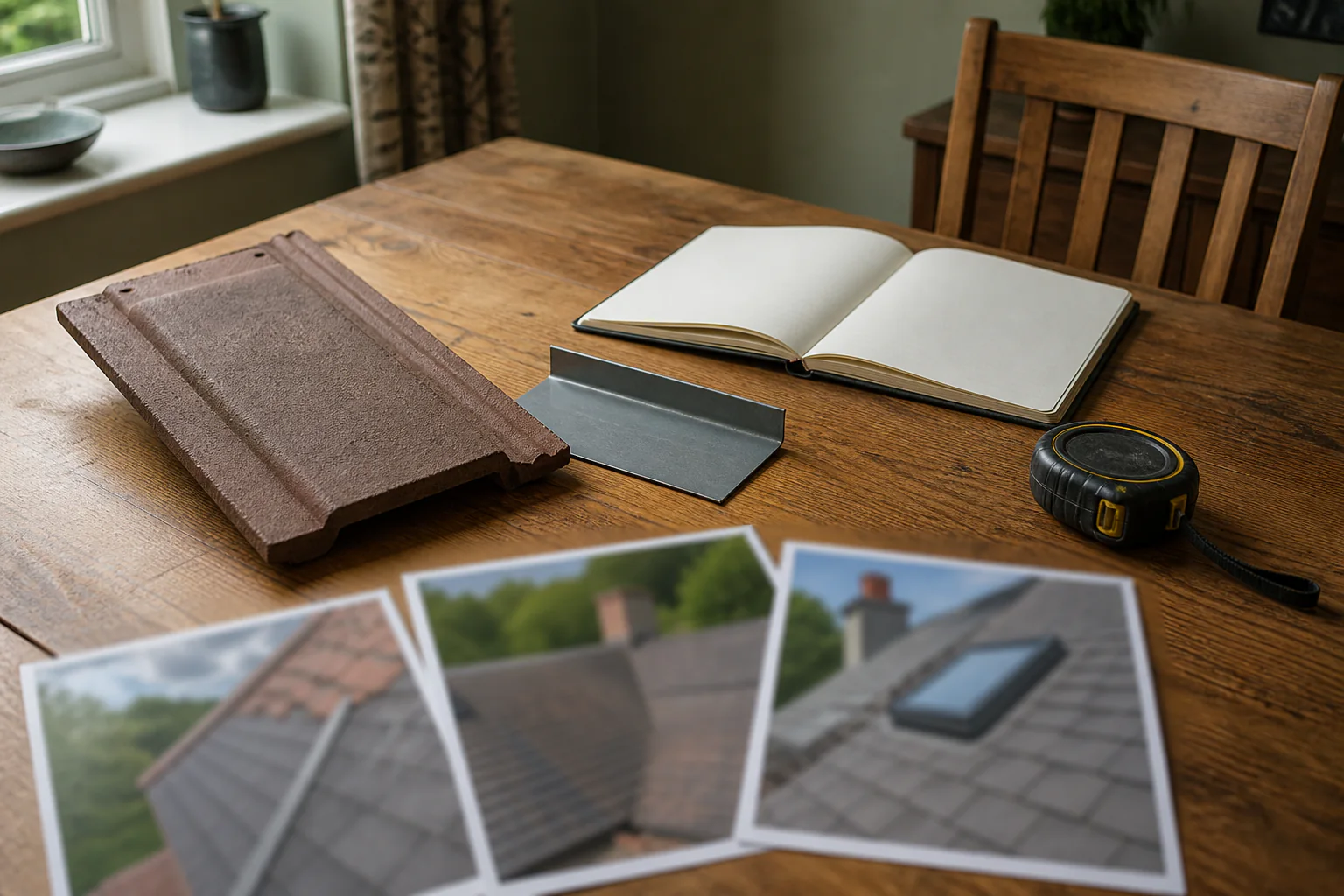
Illustration of roof tile and flashing samples, photographs and notes on a table.02

Roofing Read online

Roof Repair or Replacement?

Questions that help distinguish a local defect from a wider renewal decision.

View guide overview
  1. Ask which roof layers have failed and whether surrounding tiles, underlay, battens and details remain serviceable.
  2. Compare a defined repair scope with renewal, including access, likely repeat disruption and work that may be needed soon.
  3. Request photographs and a plain-language explanation of the recommendation. The lowest initial price and the most extensive proposal are not automatically the right choices.

Planning information, not a diagnosis or instruction to carry out specialist work.

Explore roofing options
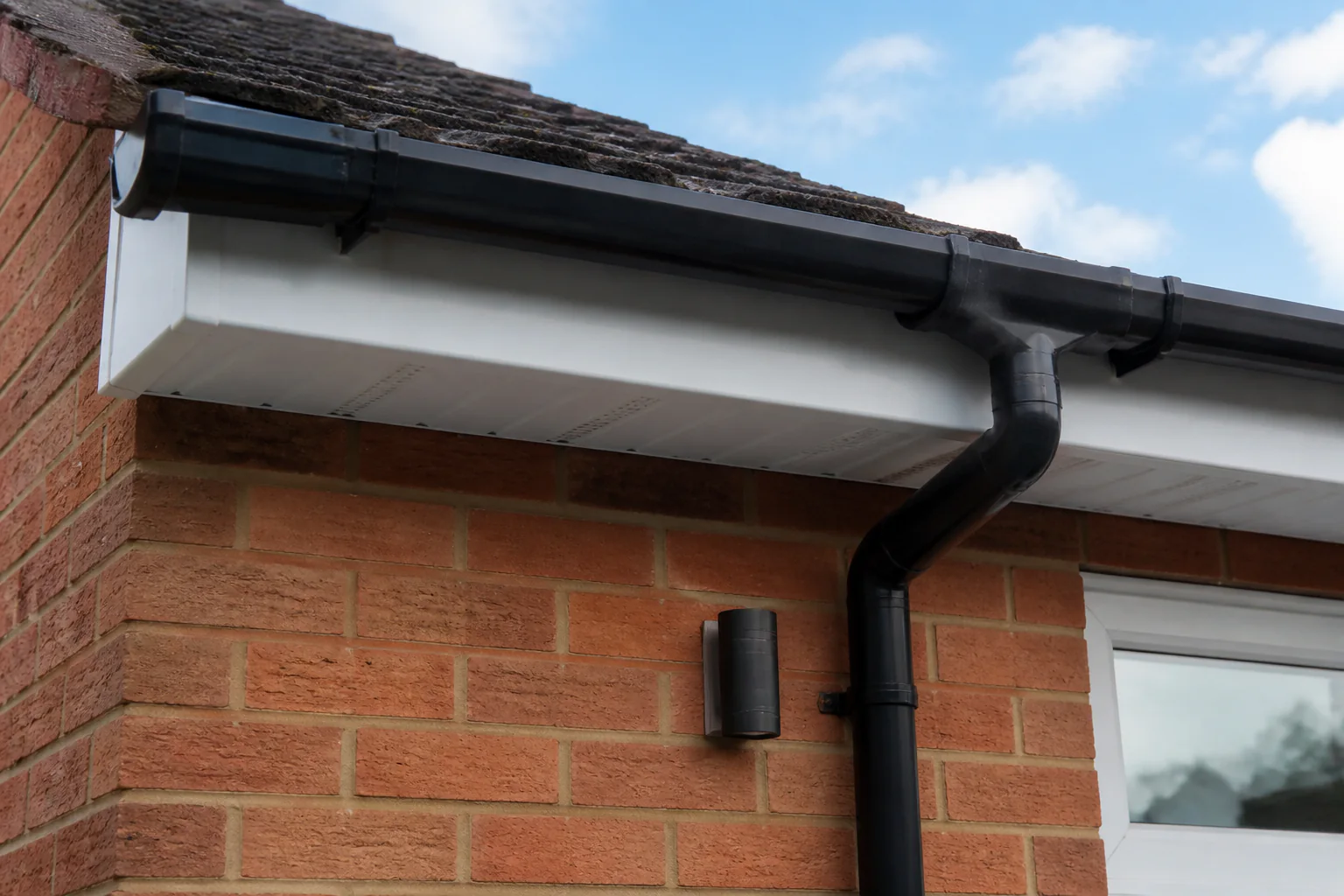
Illustration of a brick home with dark guttering, white soffits and recessed eaves lighting at dusk.03

Roofing Read online

Gutters & Roofline Warning Signs

Know what to observe before choosing new fascias, soffits or a decorative finish.

View guide overview
  1. Look from a safe ground-level position for overflow, staining, open joints, sagging gutters and decayed timber.
  2. Note where each downpipe discharges. A new finish will not solve a blocked outlet, poor fall or unsuitable rainwater route.
  3. Ask how ventilation, the roof edge and any exterior lighting will be dealt with before the roofline is closed.

Planning information, not a diagnosis or instruction to carry out specialist work.

Discuss gutters or roofline
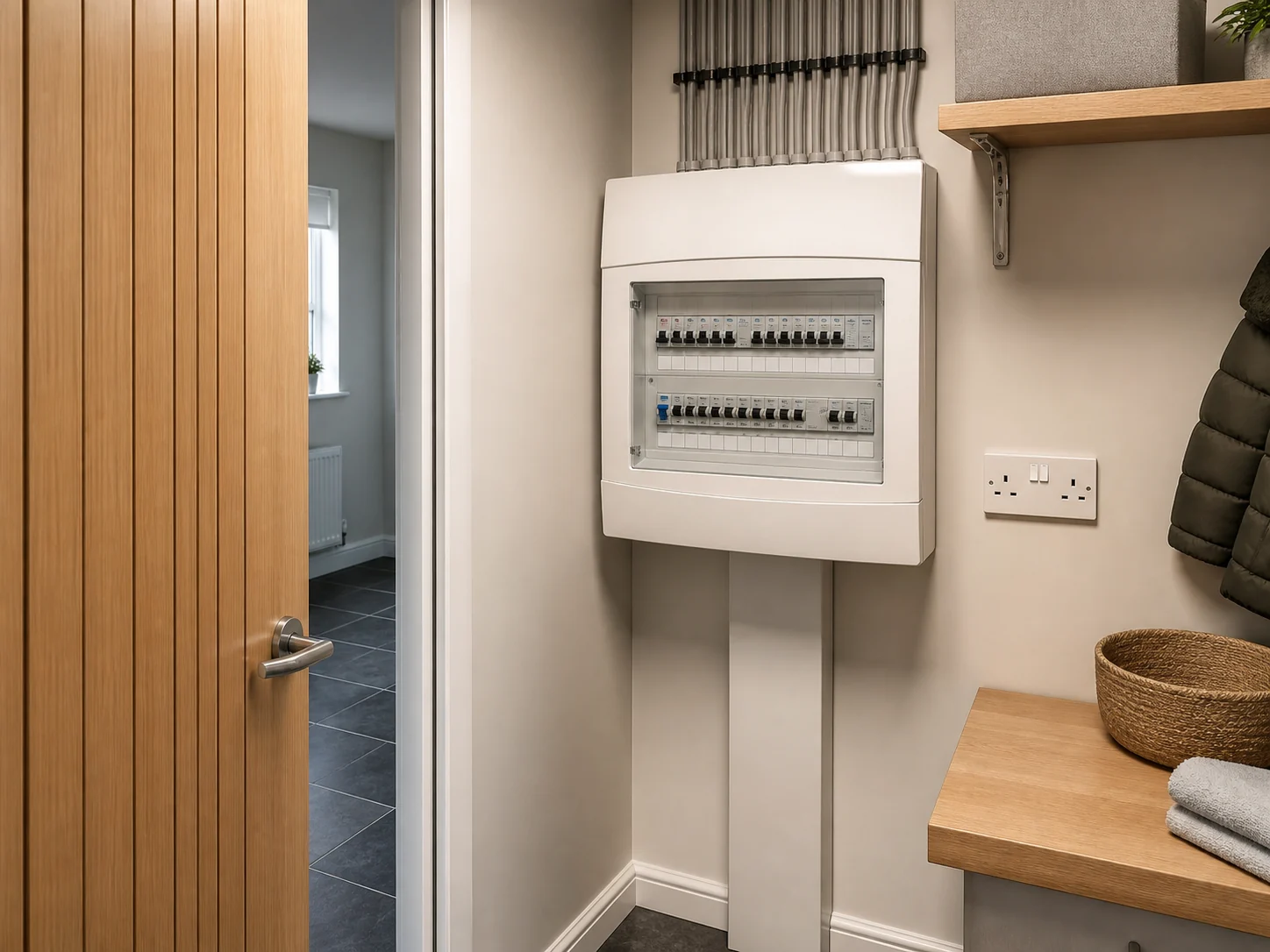
Illustration of a domestic consumer unit and cable runs in a utility area.04

Electrical Read online

Electrical Warning Signs

Prepare useful information for a qualified electrician without opening equipment.

View guide overview
  1. Describe repeated trips, damaged fittings, unexpected heat, unusual smells or flickering, including when each symptom occurs.
  2. Do not remove covers, touch damaged parts or repeatedly reset a device that trips. Stop using affected equipment where safe to do so and seek professional advice.
  3. Tell the electrician about recent work, affected rooms, equipment and any existing inspection report. Diagnosis comes before a repair or rewire recommendation.

Planning information, not a diagnosis or instruction to carry out specialist work.

Discuss electrical work
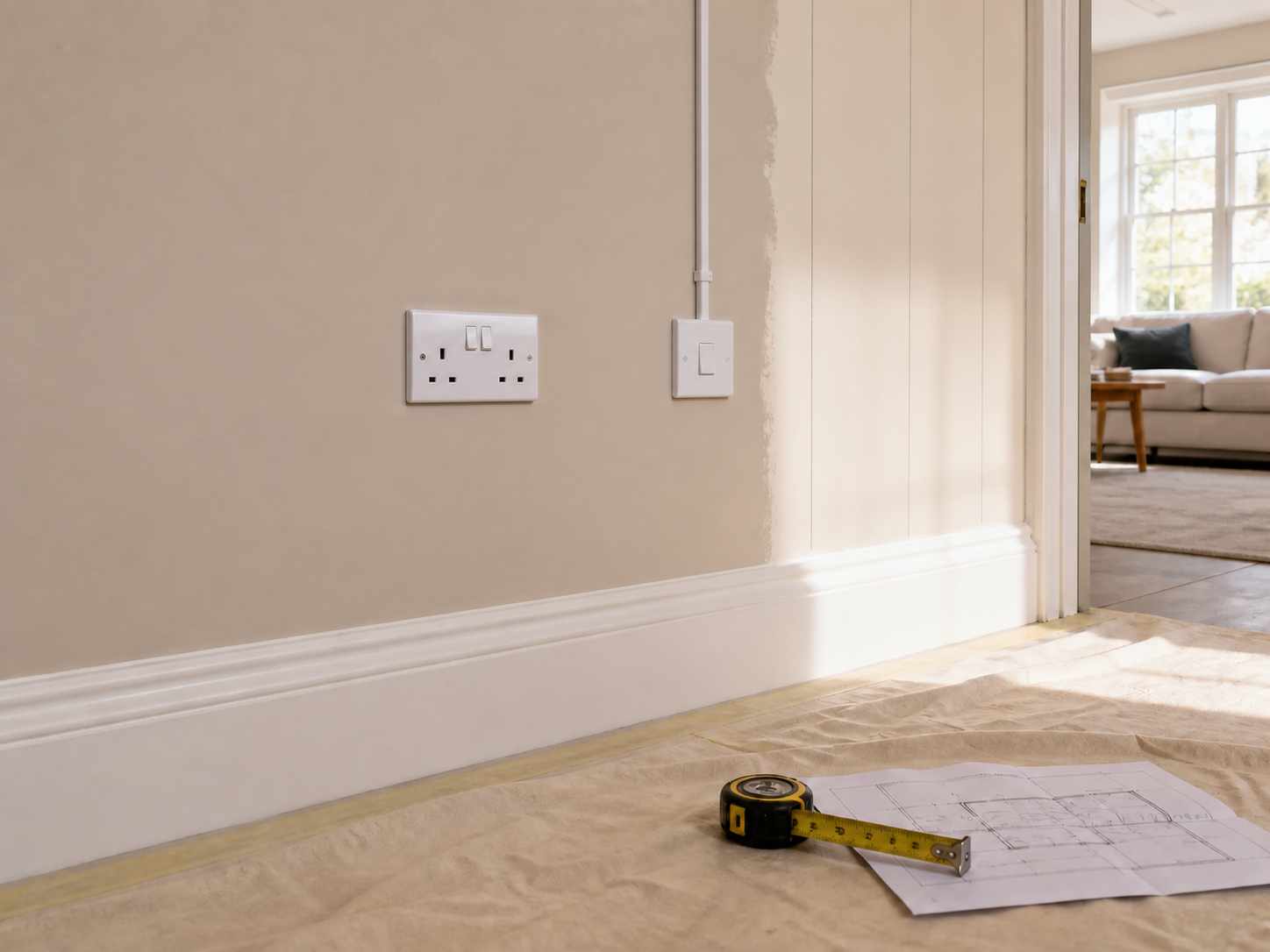
Illustration of a room renovation with wall sockets, floor plans and a tape measure.05

Electrical Read online

Rewire, Consumer Unit or Repair?

Three different decisions, each needing the right evidence.

View guide overview
  1. A recurring fault, an older consumer unit and the condition of all the wiring are separate questions.
  2. Ask which inspection or testing supports the proposed scope, what is included and what remains outside it.
  3. For renovation, coordinate electrical work with kitchen layouts, decoration and other trades. Confirm testing, certification and making-good responsibilities.

Planning information, not a diagnosis or instruction to carry out specialist work.

Explore electrical options
Illustration of a room layout drawing, material samples, notebook and lamp on a table.06

Electrical Read online

Lighting & Power Planning

Plan around furniture, daily routines and the way each room should feel.

View guide overview
  1. Sketch furniture, worktops, screens and charging positions before deciding socket and light locations.
  2. Separate general, task and feature lighting. Consider switching positions, dimming, outdoor use and how the home is used at night.
  3. List future loads such as a home office, EV charger or kitchen equipment so the electrician can assess the supply and circuits.

Planning information, not a diagnosis or instruction to carry out specialist work.

Plan lighting and power
Illustration of a brick house with roof-mounted solar panels.07

Home energy Read online

Solar-Ready Roof Checklist

Bring the roof into the conversation before choosing panels.

View guide overview
  1. Gather the roof age, known repairs and any inspection information, alongside orientation and obvious shading.
  2. Ask whether roof work or access should be coordinated before panels are fitted, and how drainage, fixing details and future maintenance are considered.
  3. Have the proposed system assessed against household use and the actual roof. Do not compare generic savings figures as if they were a property-specific forecast.

Planning information, not a diagnosis or instruction to carry out specialist work.

Explore RoofPower Home
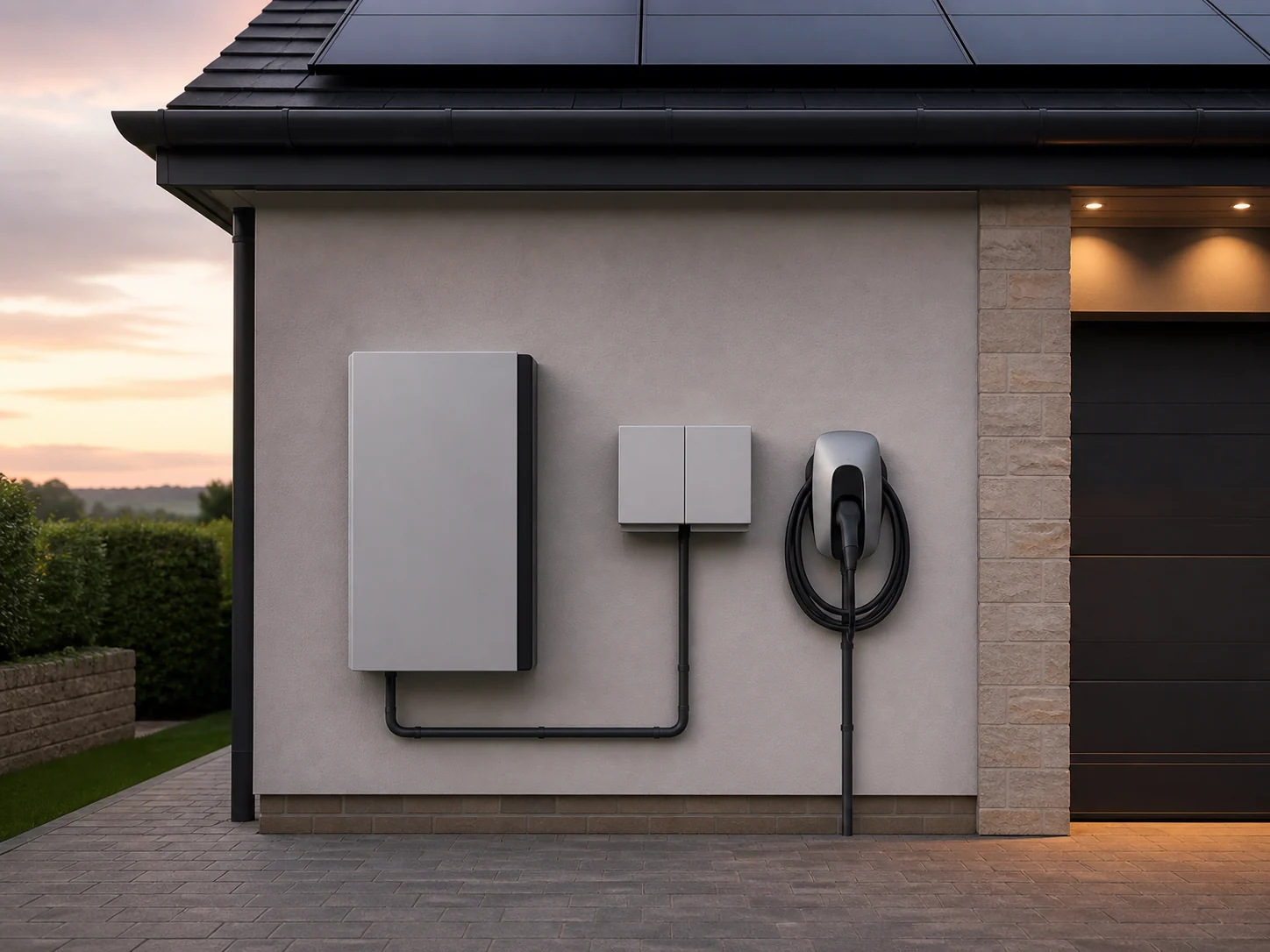
Illustration of home battery equipment and an EV charger on an exterior wall beneath solar panels.08

Home energy Read online

Would a Home Battery Fit?

Start with energy use, tariff and objectives before choosing battery capacity.

View guide overview
  1. Gather electricity bills and usage data where available. Note when the household uses most energy.
  2. Explain whether the aim is using more solar, shifting tariff periods or another requirement. Backup capability is not automatic and must be specified.
  3. Compare installed cost, usable capacity, operating limits, suitable location and warranty terms in the actual proposal.

Planning information, not a diagnosis or instruction to carry out specialist work.

Discuss home energy
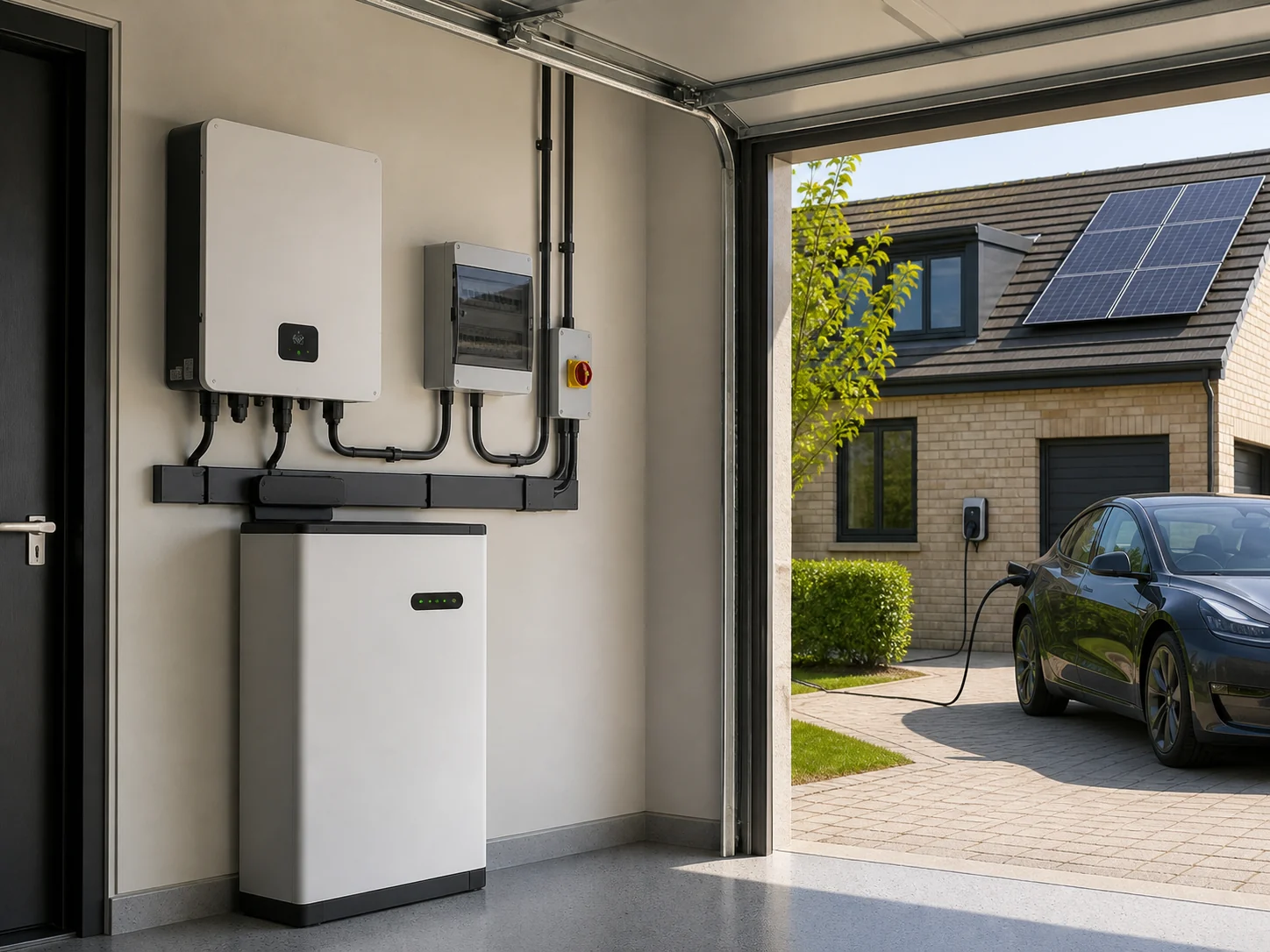
Illustration of a garage battery and inverter, with a car connected to a wall-mounted charger outside.09

Home energy Read online

Home EV Charger Readiness

Parking and electrical readiness come before charger selection.

View guide overview
  1. Confirm where the vehicle normally parks and who controls the proposed installation area.
  2. Share the vehicle, typical mileage and charging pattern. An installer should assess the supply, route, protection and any load-management requirements.
  3. Mention future solar, battery or additional vehicles. Keep cable routes clear of shared paths and have the appropriate permissions checked.

Planning information, not a diagnosis or instruction to carry out specialist work.

Explore EV charging
Illustration of a brick home at dusk with white roofline trim and warm eaves lighting.10

Transformations Read online

Roofline Transformation Planning

Coordinate protection, the finish and exterior lighting as one decision.

View guide overview
  1. Begin with the existing condition, ventilation and rainwater route—not just the fascia colour.
  2. Agree the gutter and downpipe positions, the visible finish and the lighting effect you want.
  3. Plan concealed cable routes, controls and access before the new roofline is closed, with electrical work appropriately assessed.

Planning information, not a diagnosis or instruction to carry out specialist work.

Plan a roofline transformation
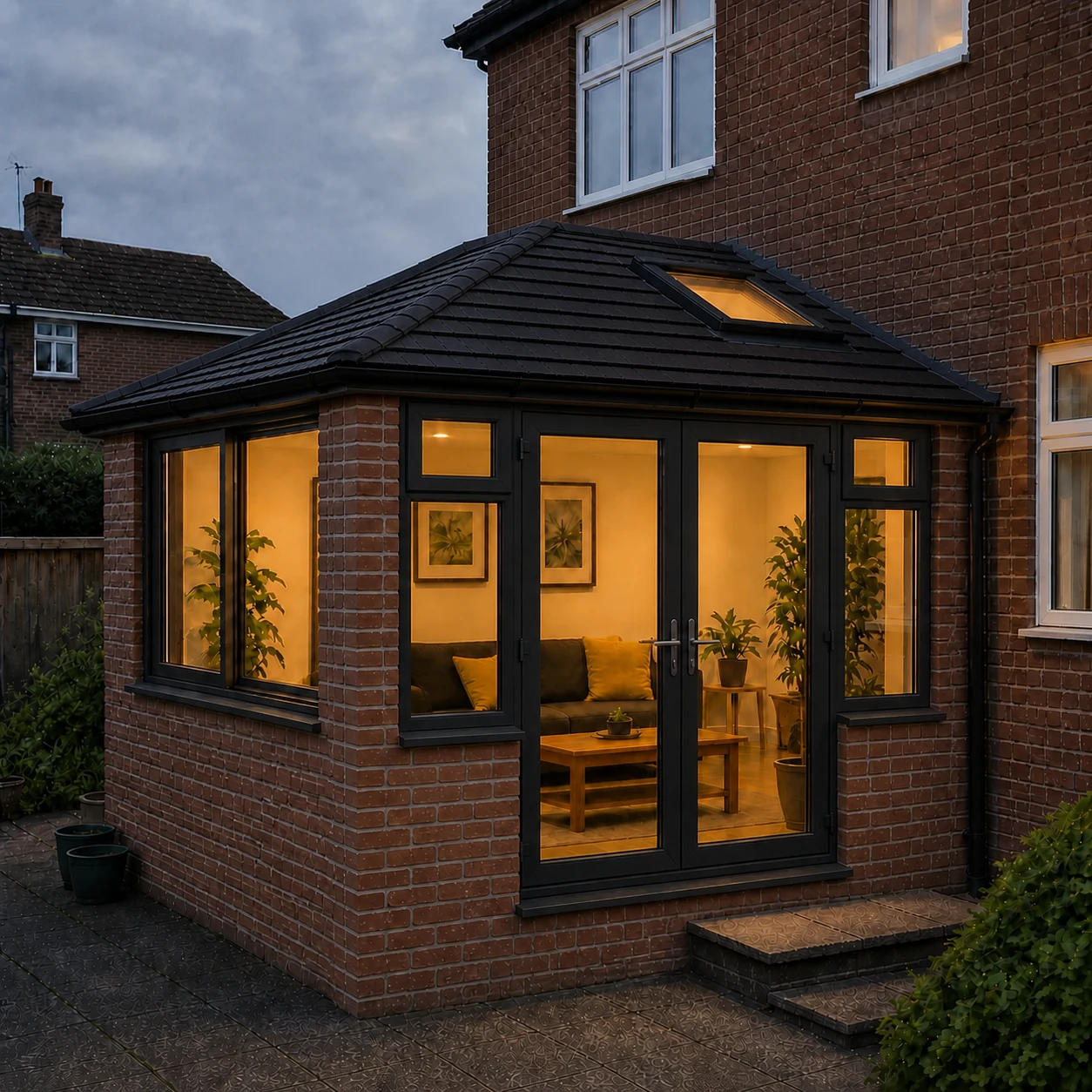
Illustration of a rear room extension with brick walls, a tiled roof, a rooflight and glazed doors.11

Transformations Read online

Conservatory-to-Room Feasibility

Check what the existing structure can support and how you want to use the room.

View guide overview
  1. Describe when the room is too hot, cold or uncomfortable, and the activities you want it to support.
  2. Have the existing base, walls, structural connection, glazing and drainage assessed before assuming a roof-only change is suitable.
  3. Ask how daylight, ventilation, heating, electrical work and the necessary approvals will be coordinated. Responsibilities should be clear in the proposal.

Planning information, not a diagnosis or instruction to carry out specialist work.

Explore a room conversion
Illustration of the rear of a brick home with rooftop solar panels and warmly lit rooms.12

Transformations Read online

RoofPower: The Right Sequence

Put roof condition, supply and household energy ambitions in the right order.

View guide overview
  1. First establish any roof work needed and the expected access arrangements. Then assess the electrical supply and household demand.
  2. Use that evidence to define suitable solar, battery and EV options rather than choosing each product independently.
  3. Agree which work is delivered directly or through specialist partners, who coordinates it and what each stage must confirm before the next begins.

Planning information, not a diagnosis or instruction to carry out specialist work.

Check RoofPower potential

Customer reviews

Customer experiences with Zamax.

Ready to talk?

Need a Property-Specific Answer?

Use the relevant guide to prepare your questions. For advice about your home, send an enquiry or call Zamax.

Call 01254 416477

Residential qualification journey

Tell Us About Your Home

Tell us about the property and what you need. You can add up to three optional photos with your enquiry. If a report or other document would help, we can arrange a separate way to share it.

Fields marked are required. Provide at least one contact method.

How should we contact you? required

Enter at least one: email or telephone.

Before you continue: Zamax will confirm when your enquiry has been received.

Menu

Request £99 RoofReady Check